How to choose a project for a contest?
Winning a contest is quite difficult! But If you play your cards right, you always give yourself a chance to win. Today, we’re going to dive deeper and talk about how to select the perfect project and bring your ideas from paper to reality!

For this particular contest as a example, we need to build something that revolves around energy savings, solar-wind energy, or harvesting other forms of energy that are not utilized.
But I am also currently fascinated by various wireless protocols because of the other projects on which I'm working. So, I’m connecting this interest with the contest and creating a wireless sensor network for environmental and energy monitoring. My goal is to mainly deploy this in an agricultural field or greenhouse, where I can effectively monitor different parameters such as crop health, temperature, humidity, soil health, and energy consumption of equipment used in this area.
By collecting this data, we can optimally use the resources, which in turn saves energy. And by using this collected data, we train ML models to suggest crops that’s suitable for growth without adding any additional fertilizers.
Since the project has been selected, I want to show my version of taking a concept into reality. But remember, this process can vary from person to person, so here’s mine.
Memory Dump
Once I have project idea, I do a process called memory dump. I just dump all my ideas and features that my project should have on top of the core functionality. Here you can go wild and come up with random features that you like, features from existing devices on the market, or features from some academic paper that’s recently published.
In just a few hours, I have huge list of things that I need as features for my wireless sensor network. For slave nodes, I had ideas like using different forms of energy harvesting methods and low-power electronics and reading data from a wide range of sensors. Similarly, I had more ideas for master nodes, like using Edge computing and some sort of Tiny ML to produce results in real time rather than processing them in the cloud.
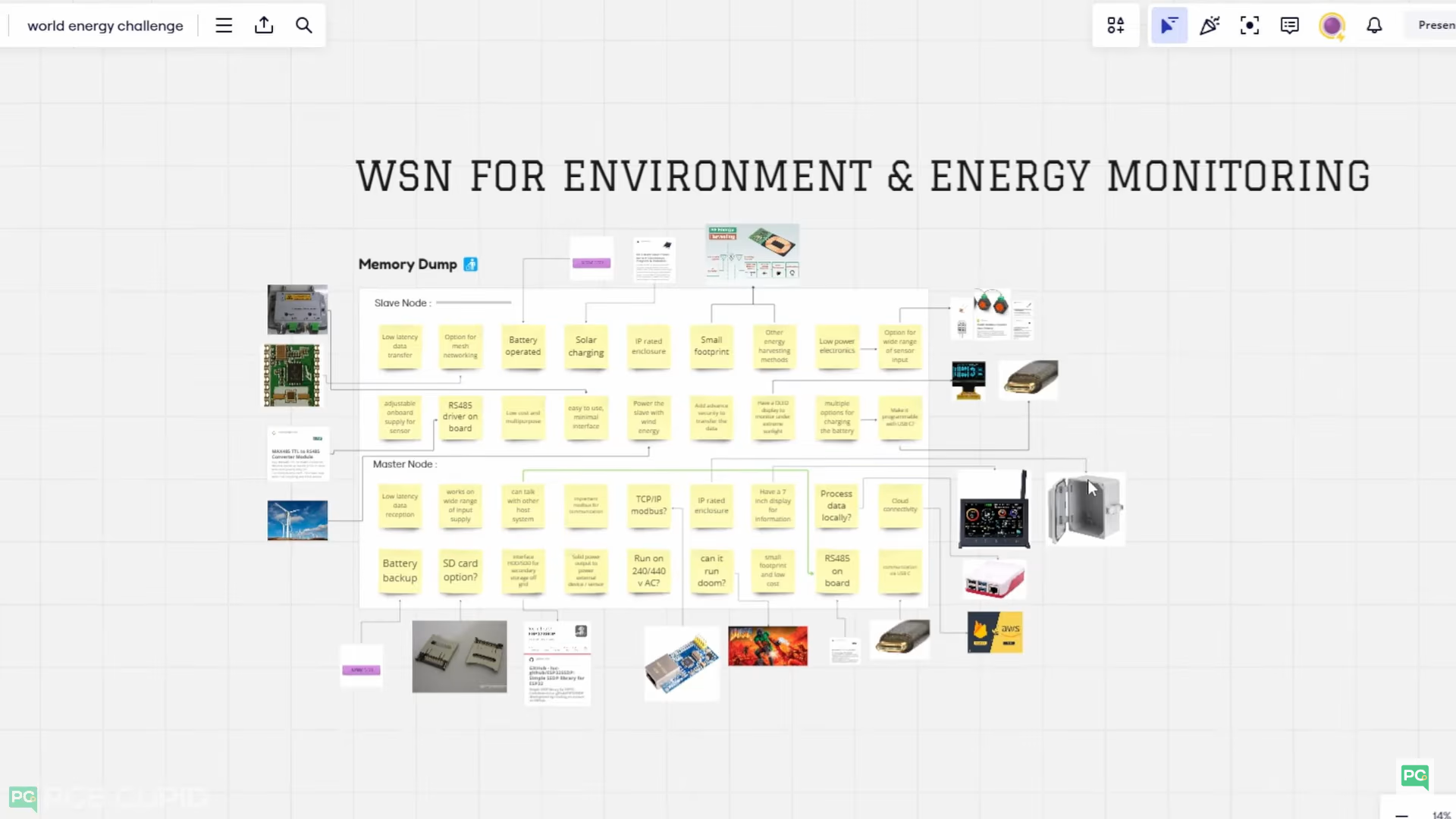
Even though most of these ideas sound good, unfortunately, it’s hard to implement all of them at once because of time and cost constraints. So, we need to organize the features and shortlist some of them that will go into the final project.
Short listing features
For a wireless sensor network, these are the core features we need to shortlist.
Starting with the slave node: -> We need to have a processor to read the sensor data -> A Wireless protocol to send the data wirelessly
Similarly, if I look into the core feature for the Master node:
-> Same Wireless protocol that’s implemented on the slave to read the data -> An interface to process the sensor data and send it to a cloud platform
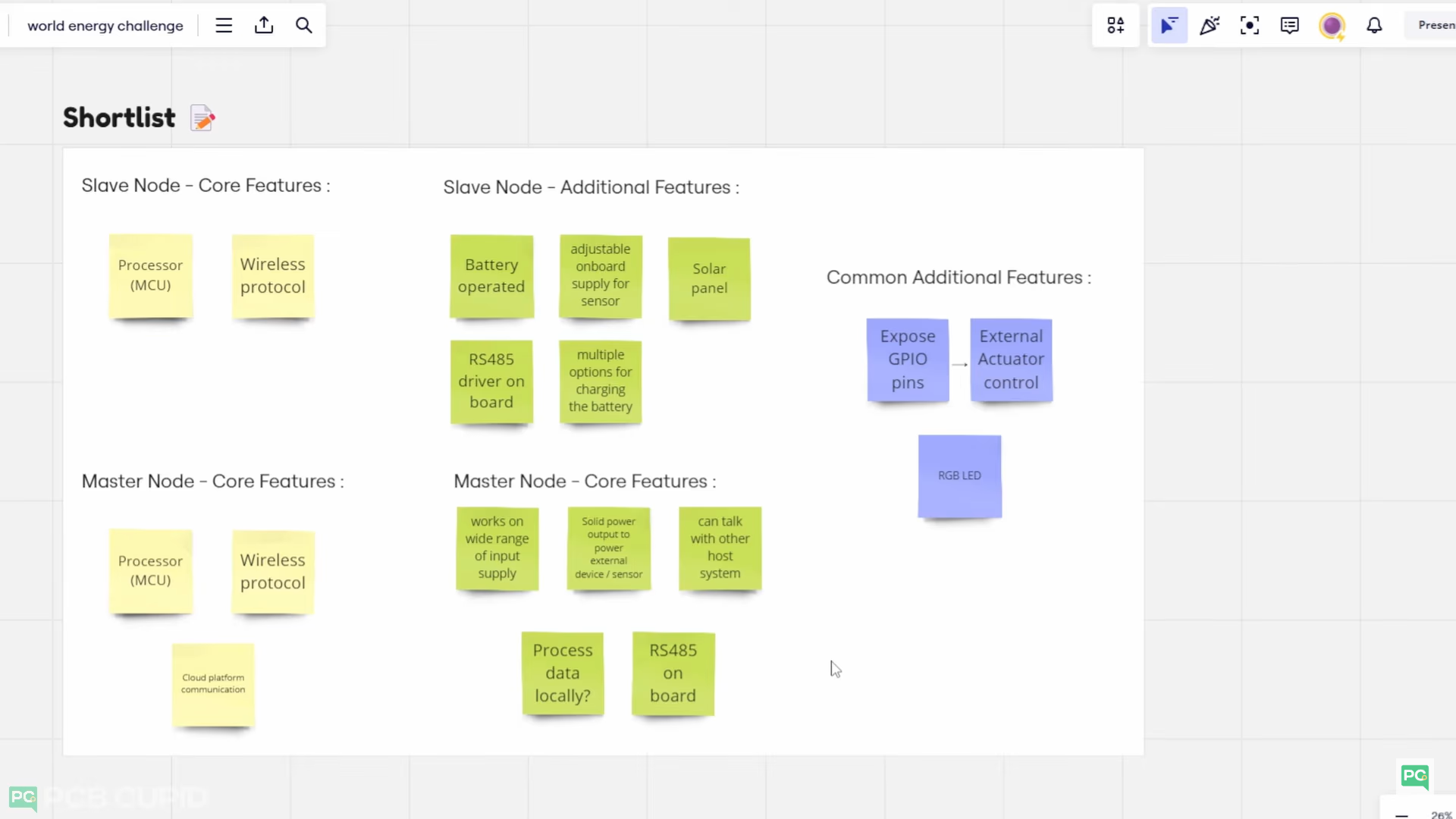
Once the core functionality of WSN is listed, I shortlist more features from the memory dump while considering the cost and the time required to implement.
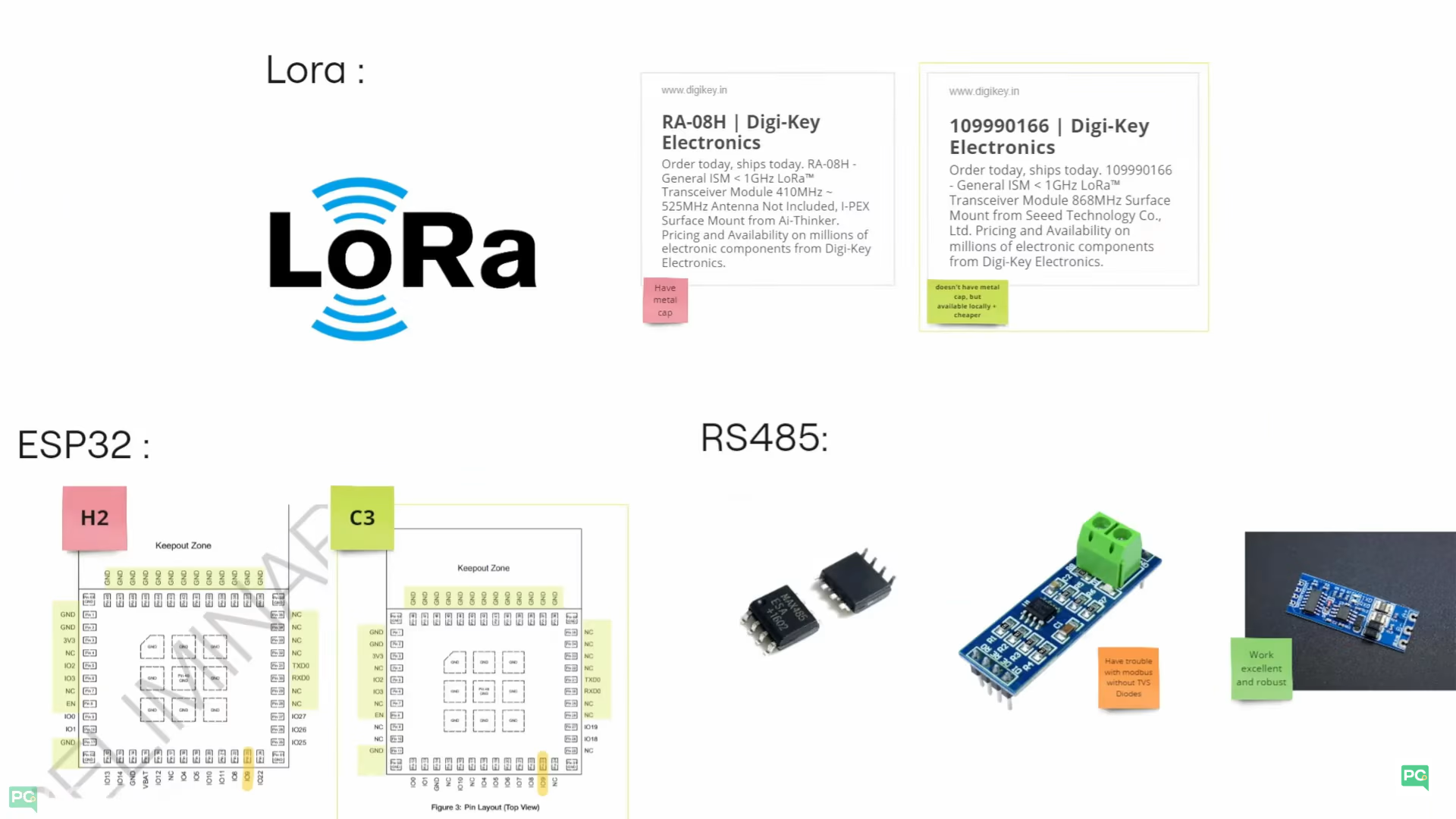
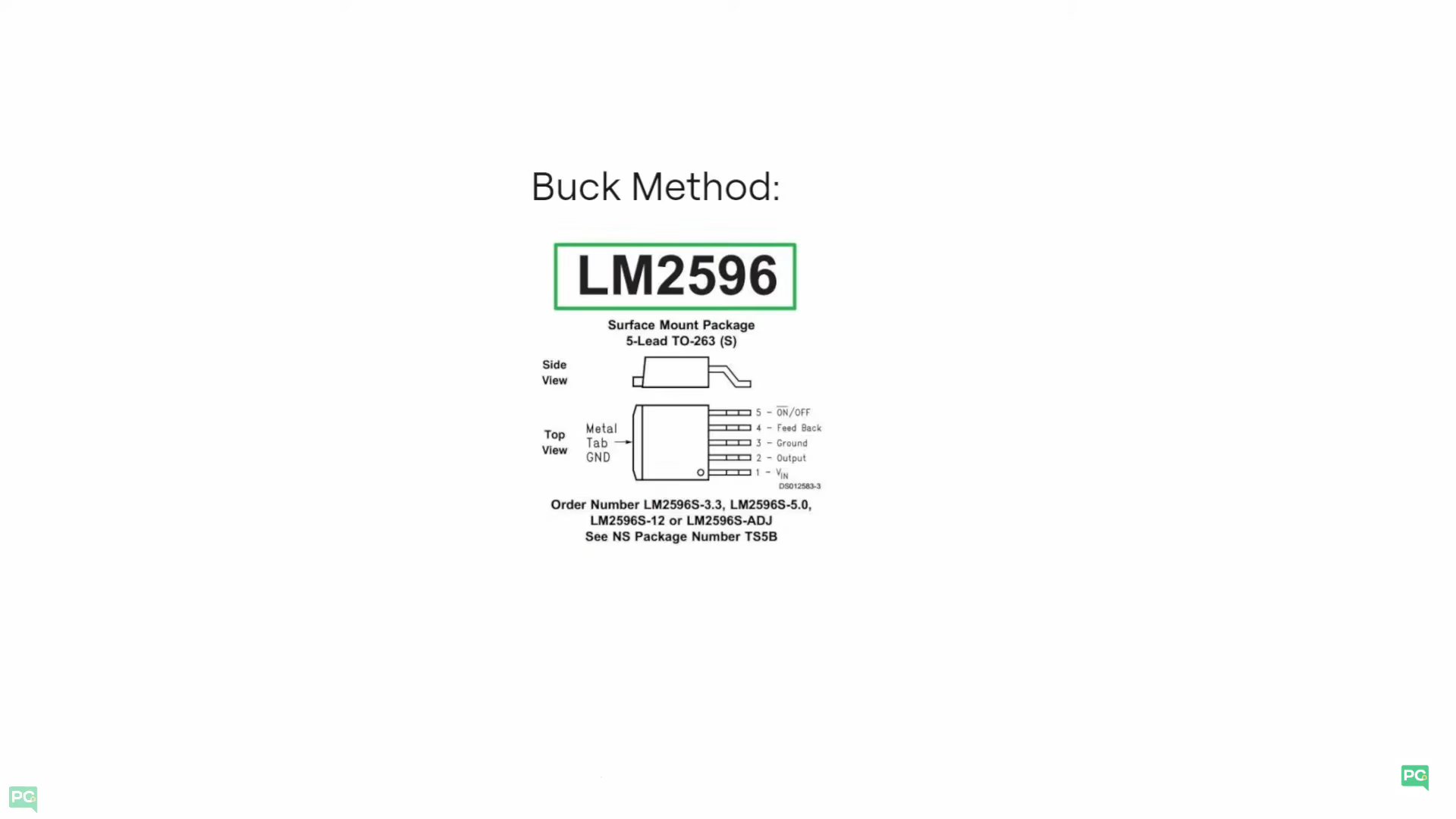
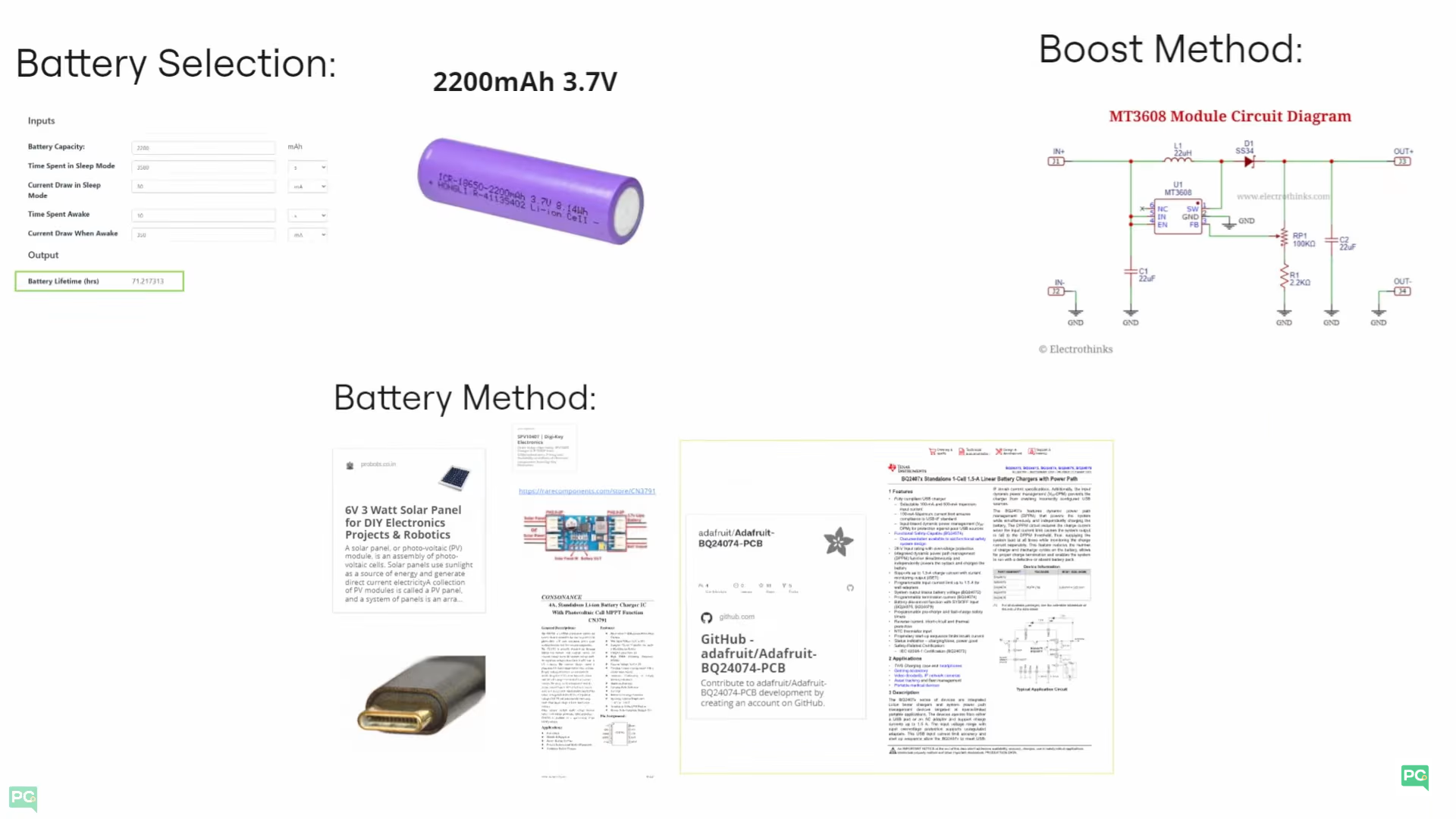
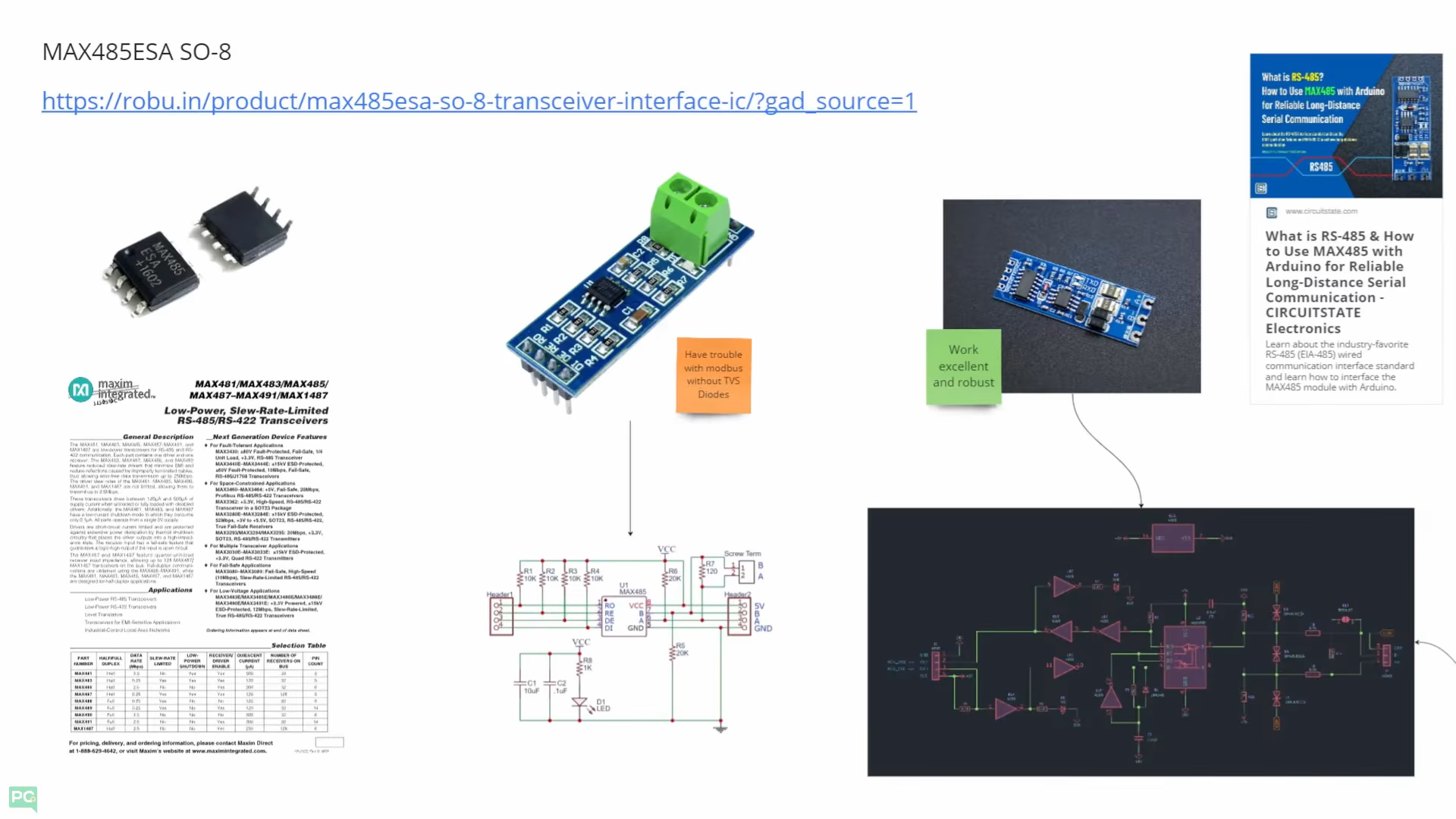
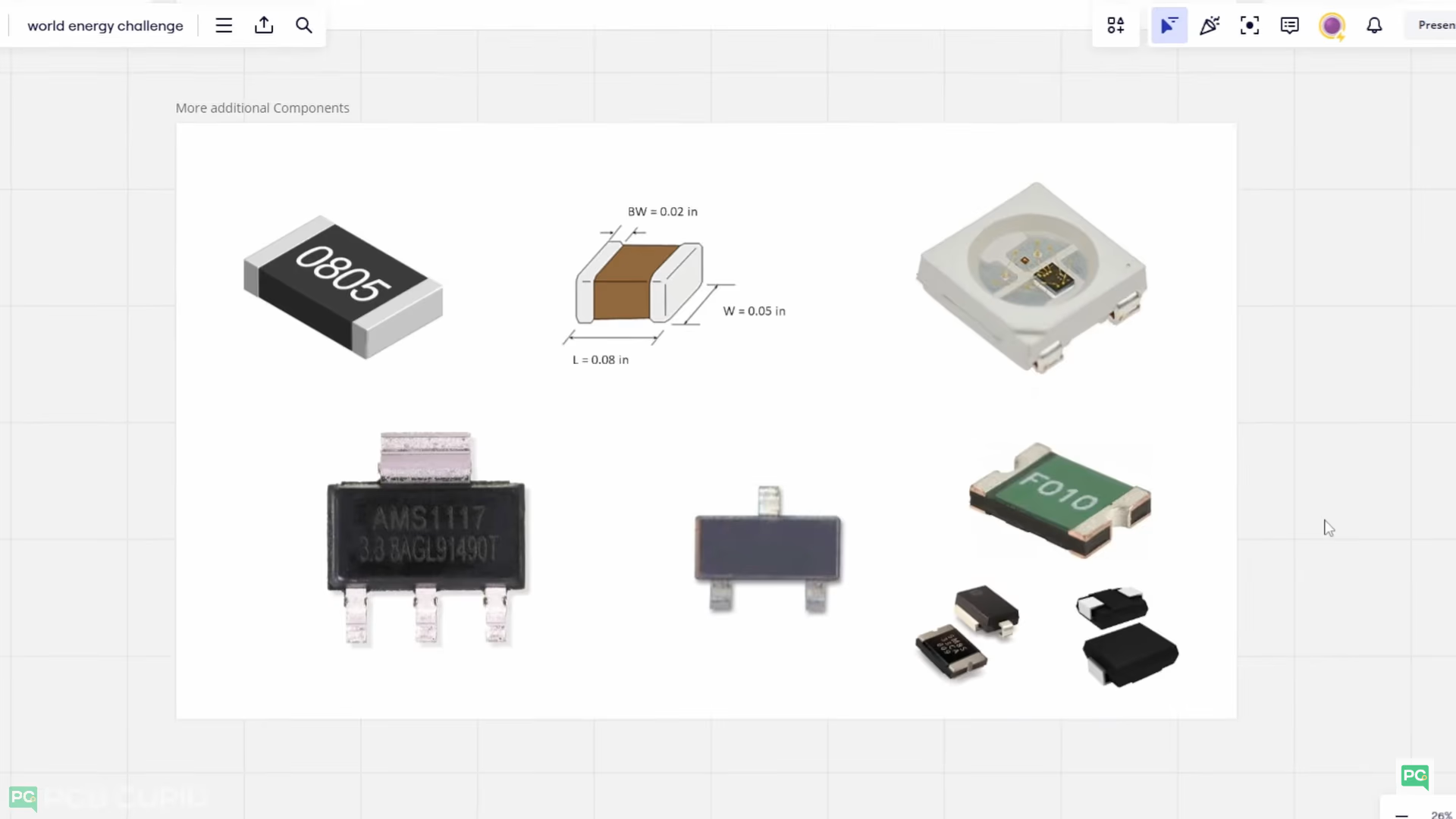
Finding the components
Putting it together
Once I had all the components in place, I had to just do proper research on each of the components and get there datasheet. Along with that, I have downloaded their symbol and footprint that I can use. So, with this information, you should be able to successfully build a schematic for your project.